CGN2 - Cloud Gaming Notes Episode 2 - Matchmaking Services
Ever thought about what it takes to host a multiplayer game in the cloud? In the second episode of Cloud Gaming Notes, Chris and Lee Williams explore the engineering behind matchmaking services — using Halo 5 Guardians as a live example.
They cover:
- Game as a Service — how Halo evolved from individual dedicated servers to a cloud-hosted, always-on service and what that means architecturally
- The Actor Model and Azure Service Fabric — how Halo’s underlying engine represents every player and game object as an actor in a shared cluster, enabling low-latency state communication at scale
- Skill-based matchmaking — how algorithms factor in skill level, server availability, latency, and queue wait time to create balanced, enjoyable games
- Latency — why even milliseconds matter in competitive gaming, and how cloud infrastructure placement minimises that impact on player experience
- Live Ops / DevOps — how the platform team continuously ships updates, patches, and new content to a live game without taking it offline, drawing direct parallels to enterprise DevOps practices
- Rolling updates and observability — using real-time analytics and gradual fleet rollouts to de-risk changes to a live player base
Related Content
24 - Health Endpoint Monitoring Pattern (Monitor your service and its dependencies!)
Stop waiting for users to tell you something is broken. The Health Endpoint Monitoring pattern gives your services a dedicated health-check endpoint that aggregates the status of all dependent components—databases, APIs, storage—into a single observable response. This episode covers the pattern in detail, including design considerations around caching, security, denial-of-service exposure, and integration with Azure Monitor and Application Insights.
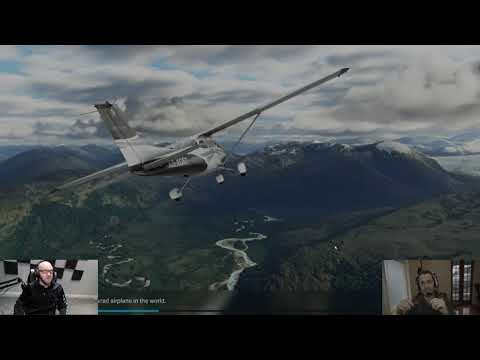
18 - Tales from the Real World - Defying Gravity.. The magic behind Flight Simulator 2020
What's actually powering Microsoft Flight Simulator 2020 — and what can cloud architects learn from it? Chris Reddington takes to the virtual skies over Queensland with former colleague Cam Adams, flying a Cessna 172 from Archerfield aerodrome while discussing the real Azure services behind one of the most technically ambitious games ever made. From CDN-based asset distribution and event-driven live weather to PlayFab game backends and DDoS protection — this is cloud architecture on the fly.

27 - The Compute Resource Consolidation Pattern (Optimise for Cost!)
Are you running dedicated compute for every tenant, microservice, or application instance — and paying for it? The Compute Resource Consolidation pattern shows you how to consolidate tasks onto shared infrastructure, such as a single AKS cluster with namespace isolation or an Azure SQL elastic pool, to reduce costs and management overhead. This episode explores the key trade-offs: blast radius containment, noisy neighbour contention, scalability profiles, and multi-tenancy strategies. Part of the "Architecting for the Cloud, One Pattern at a Time" series.