Tools of a Software Architecture for Everyone!
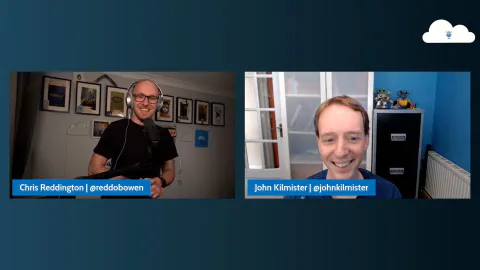
Software architecture is not just the domain of dedicated architects — the tools, practices, and communication patterns it relies on apply to every engineer on every team. In this episode, Chris is joined by John Kilminster, a software architect and Azure MVP with a background in e-commerce and high-traffic systems, who walks through the practical toolbox he has assembled over years in the role.
John begins by clarifying what a software architect actually does — it is less a progression from senior developer and more a shift to a different type of work: setting guard rails across teams, evaluating third-party options, providing cross-team context, and taking a longer-term, more holistic view of technical direction.
The tools and practices covered in this episode include:
- C4 Diagrams (Simon Brown’s model): A four-level hierarchy for visualising software architecture — from system context down to code — designed to communicate clearly to different audiences without requiring specialist tooling.
- Architecture Decision Records (ADRs): Lightweight documents that capture not just what architectural decision was made, but why — preserving the context and rationale that is otherwise lost as teams change over time.
- Tech Radars: Popularised by ThoughtWorks, a tech radar categorises technologies across adopt, trial, assess, and hold — helping organisations share a consistent view on emerging and established tools.
- Docs as Code: Treating documentation as first-class artefacts stored alongside code, versioned in Git, and built through pipelines — eliminating the gap between code and its documentation.
- Backstage: Spotify’s open-source developer portal, now a CNCF project, which brings together service catalogues, TechDocs, tech radars, and more into a single internal developer portal. John covers both self-hosted and SaaS options.
A recurring theme throughout is communication: even without a dedicated architect, small teams benefit from shared context, and these tools are accessible to any organisation willing to invest the time. As John puts it: “whatever decisions you make architecturally, they’re the best decisions you can make at that time.”
Related Content
Tales from the Real World - Architecting the Transformation
Most organizations undergoing digital transformation are moving through maturity stages — from localized, monolithic setups toward agile, cloud-native, data-driven platforms. But what does it take to architect that journey? In this session, Asanka Abesinghe shares a practical framework covering the six design principles of digitally-driven organizations (decentralized, lean-agile, open standards, customer-centric, cloud-native, and data-driven), how to layer business, information, application, and technology architecture, and the evolving role of the architect as an organizational bridge between business strategy and technical execution. From the build-vs-buy decision to maturity-model road-mapping, this is an essential session for architects leading or contributing to enterprise transformation programmes.
V034 - Sailing the Sea of Thieves while talking Cloud
Chris and community members sail the Sea of Thieves while covering Azure updates including Government Top Secret GA, ASP.NET app migration tooling, and Forrester Wave recognition for streaming analytics. GitHub updates include 2FA enforcement for git operations, Git 2.33, and Discussions GA, while the crew discusses Azure certification prep strategies, career transitions into DevOps, and the open-source Cloud Katana security assessment tool.
41 - DevOps on Azure
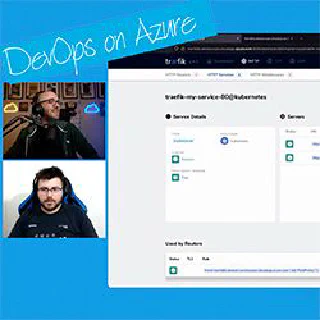
In this episode, Chris is joined by Mert Yeter — software architect, Azure MVP, and Traefik Ambassador — for a live-demo-driven tour of DevOps on Azure. Starting with Azure DevOps Starter, Mert walks through spinning up a full CI/CD pipeline for a containerized .NET application in just a few clicks, covering Azure Container Registry, Azure Container Instances, and Azure Kubernetes Service. The session then dives into Traefik: an open-source cloud-native reverse proxy and load balancer with powerful pluggable middleware, dynamic service discovery, and a rich dashboard for managing Kubernetes ingresses. Whether you are new to containers or looking to level up your AKS deployments, this episode covers the essential building blocks.